FHA loans in Tennessee: 2026 limits and requirements
Contributed by Sarah Henseler
Updated Oct 5, 2026
•11-minute read

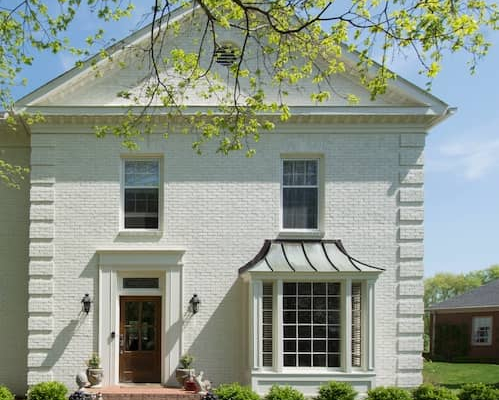
If you’re looking to buy a house in Tennessee, but your credit isn’t perfect, and you have a limited down payment saved, an FHA loan might be a useful mortgage option.1 FHA loans are government-backed mortgages with flexible credit and down payment requirements to make homeownership more accessible for first-time buyers.
Here’s a closer look at the requirements you’d need to meet for this type of mortgage, along with the 2026 FHA loan limits for every Tennessee county, to help you determine if this might be the right home loan program for you.
Key takeaways:
- Flexible credit and down payment requirements: Borrowers with a credit score of 580 or higher can qualify for an FHA loan with a down payment of just 3.5%, while scores between 500 and 579 require a 10% down payment.2
- 2026 county loan limits: Standard single-family FHA loan limits in Tennessee start at $541,287 in most counties and rise to $1,029,250 in higher-cost areas like the Nashville metropolitan area.
- State and local down payment assistance: Tennessee buyers can pair an FHA loan with state programs like the Tennessee Housing Development Agency (THDA) Great Choice Home Loan and Great Choice Plus assistance to help cover down payments and closing costs.
What are FHA loans?
FHA loans are government-backed loans that offer low down payments and easier credit qualifications. FHA loans in Tennessee are insured by the Federal Housing Administration, which means the agency reimburses lenders if the borrower defaults. This backing helps lenders offer FHA loans to borrowers who may not qualify for a conventional loan.
See what you qualify for
How do FHA loans work?
FHA loans have specific rules that help make them more accessible than many conventional options. FHA loan requirements include steady income, a minimum credit score, a minimum down payment, property requirements, and a maximum loan amount that varies by county. FHA loan rates are competitive and often lower than for other loan types. However, if you have a lower credit score and a smaller down payment, FHA loans can be cheaper than conventional loans.
FHA loan limits are set each year by the Department of Housing and Urban Development, and vary by county within each state, including Tennessee.
Tennessee FHA loans can be used to buy various property unit types from single-family homes to multifamily properties with up to four units, including houses, condominiums, townhouses, and mobile or manufactured homes. However, properties must meet FHA guidelines.
Anyone who meets the requirements and agrees to live in the home they're buying as their primary residence can qualify.
Mortgage insurance premiums
FHA borrowers must pay an up-front and an annual mortgage insurance premium (MIP). This insurance protects the lender if the borrower defaults and is part of what allows lenders to approve buyers with lower credit scores or smaller down payments.
- Upfront MIP: A one-time charge equal to 1.75% of the total loan balance, which is usually rolled directly into the loan amount at closing
- Annual MIP: A recurring fee ranging from 0.45% to 1.05% of the loan balance, divided into 12 monthly payments added to your mortgage bill. If you make a down payment under 10%, annual MIP remains for the life of the loan; down payments of 10% or more reduce MIP duration to 11 years.
Take the first step toward the right mortgage
Apply online for expert recommendations with real interest rates and payments
FHA loan requirements in Tennessee
The step-by-step FHA loan process and requirements for FHA loans can vary by lender and by program, so the guidelines below reflect what you can generally expect through Rocket Mortgage. It’s always best to check with your lender to confirm the exact qualifications for your situation.
The chart below outlines what you’ll usually need to qualify for an FHA mortgage in Tennessee, including the minimum down payment, credit score, debt-to-income ratio, income, appraisal and inspection, and more.
|
Minimum down payment percentage |
Rocket Mortgage requires a down payment of at least 3.5% of the purchase price and a minimum credit score requirement of 580. Other lenders may offer FHA loans to borrowers with a credit score between 500 and 579, with a down payment of at least 10% |
|
Minimum credit score |
580 |
|
Upfront MIP of 1.75% of the loan amount, plus an annual MIP of between 0.45% and 1.05% of the loan balance, paid in monthly installments. MIP is paid for 11 years if your down payment is 10% or more of the purchase price, and for the entire loan term if your down payment is less than 10%. |
|
|
Debt-to-income ratio (DTI) |
Rocket Mortgage requires a front-end DTI of 38% and a back-end DTI of 45%. Higher DTIs may be allowed in cases with compensating factors, including a minimum credit score of 620. |
|
FHA appraisal requirement |
Home must be appraised by an FHA-approved appraiser. |
|
Occupancy requirement |
Must occupy the property within 60 days of closing and must be the primary residence. |
|
Inspection requirement |
Property must meet the FHA minimum property standards. |
|
Income |
Must prove steady employment (no specific income threshold). |
Credit score and down payment requirements
The credit score you’ll need for an FHA loan will depend in part on the size of your down payment:
- 580+ credit score: Qualifies for the minimum 3.5% down payment.
- 500 – 579 credit score: Qualifies for an FHA loan with a minimum 10% down payment. Note: Rocket Mortgage requires a minimum credit score of 580 for FHA loans.
Debt-to-income ratio requirements
Your DTI ratio measures your monthly debt obligations against your gross monthly income. Underwriting guidelines generally cap front-end housing costs at 31% and total back-end debt at 43%, though strong compensating factors - such as cash reserves or high credit scores - can allow DTIs up to 57%.
Income requirements
There are no minimum or maximum income limits to qualify for an FHA loan in Tennessee. You must demonstrate steady, verifiable employment and sufficient income to cover monthly mortgage payments, property taxes, and insurance.
What can disqualify you from an FHA loan?
Factors that can disqualify an applicant include:
- Credit scores below 500
- Recent bankruptcies - generally within 2 years for Chapter 7 or foreclosures within 3 years
- Unresolved federal tax liens or defaulted student loans
- Property that does not meet the FHA minimum property standards for safety and structural integrity
- Intent to use the home as an investment property rather than a primary residence
What are the 2026 FHA loan limits in Tennessee?
FHA loan limits change every year, and Tennessee's limits vary by county based on local housing prices. Areas with higher home values qualify for higher limits, while lower-cost counties stay closer to the national floor.
The limits are based on median home prices in each county, up to 150% of the national conforming loan limit. Exceptions are made for homes in Alaska, Hawaii, Guam, and the U.S. Virgin Islands due to the higher construction costs.
For 2026, the FHA loan limits for a one-unit home range from $541,287 in low-cost areas to $1,249,125 in high-cost counties.
Here are the FHA loan limits by county in Tennessee for buying one- to four-unit homes. Use the HUD lookup tool to confirm your county’s current limit, then speak with a loan officer to see what you can qualify for.
Tennessee FHA loan limits by county
|
County |
One Unit |
Two Units |
Three Units |
Four Units |
|
Anderson |
$541,287 |
$693,050 |
$837,700 |
$1,041,125 |
|
Bedford |
$541,287 |
$693,050 |
$837,700 |
$1,041,125 |
|
Benton |
$541,287 |
$693,050 |
$837,700 |
$1,041,125 |
|
Bledsoe |
$541,287 |
$693,050 |
$837,700 |
$1,041,125 |
|
Blount |
$541,287 |
$693,050 |
$837,700 |
$1,041,125 |
|
Bradley |
$541,287 |
$693,050 |
$837,700 |
$1,041,125 |
|
Campbell |
$541,287 |
$693,050 |
$837,700 |
$1,041,125 |
|
Cannon |
$1,029,250 |
$1,317,650 |
$1,592,700 |
$1,979,350 |
|
Carroll |
$541,287 |
$693,050 |
$837,700 |
$1,041,125 |
|
Carter |
$541,287 |
$693,050 |
$837,700 |
$1,041,125 |
|
Cheatham |
$1,029,250 |
$1,317,650 |
$1,592,700 |
$1,979,350 |
|
Chester |
$541,287 |
$693,050 |
$837,700 |
$1,041,125 |
|
Claiborne |
$541,287 |
$693,050 |
$837,700 |
$1,041,125 |
|
Clay |
$541,287 |
$693,050 |
$837,700 |
$1,041,125 |
|
Cocke |
$541,287 |
$693,050 |
$837,700 |
$1,041,125 |
|
Coffee |
$541,287 |
$693,050 |
$837,700 |
$1,041,125 |
|
Crockett |
$541,287 |
$693,050 |
$837,700 |
$1,041,125 |
|
Cumberland |
$541,287 |
$693,050 |
$837,700 |
$1,041,125 |
|
Davidson |
$1,029,250 |
$1,317,650 |
$1,592,700 |
$1,979,350 |
|
Decatur |
$541,287 |
$693,050 |
$837,700 |
$1,041,125 |
|
Dekalb |
$541,287 |
$693,050 |
$837,700 |
$1,041,125 |
|
Dickson |
$1,029,250 |
$1,317,650 |
$1,592,700 |
$1,979,350 |
|
Dyer |
$541,287 |
$693,050 |
$837,700 |
$1,041,125 |
|
Fayette |
$541,287 |
$693,050 |
$837,700 |
$1,041,125 |
|
Fentress |
$541,287 |
$693,050 |
$837,700 |
$1,041,125 |
|
Franklin |
$541,287 |
$693,050 |
$837,700 |
$1,041,125 |
|
Gibson |
$541,287 |
$693,050 |
$837,700 |
$1,041,125 |
|
Giles |
$541,287 |
$693,050 |
$837,700 |
$1,041,125 |
|
Grainger |
$541,287 |
$693,050 |
$837,700 |
$1,041,125 |
|
Greene |
$541,287 |
$693,050 |
$837,700 |
$1,041,125 |
|
Grundy |
$541,287 |
$693,050 |
$837,700 |
$1,041,125 |
|
Hamblen |
$541,287 |
$693,050 |
$837,700 |
$1,041,125 |
|
Hamilton |
$541,287 |
$693,050 |
$837,700 |
$1,041,125 |
|
Hancock |
$541,287 |
$693,050 |
$837,700 |
$1,041,125 |
|
Hardeman |
$541,287 |
$693,050 |
$837,700 |
$1,041,125 |
|
Hardin |
$541,287 |
$693,050 |
$837,700 |
$1,041,125 |
|
Hawkins |
$541,287 |
$693,050 |
$837,700 |
$1,041,125 |
|
Haywood |
$541,287 |
$693,050 |
$837,700 |
$1,041,125 |
|
Henderson |
$541,287 |
$693,050 |
$837,700 |
$1,041,125 |
|
Henry |
$541,287 |
$693,050 |
$837,700 |
$1,041,125 |
|
Hickman |
$1,029,250 |
$1,317,650 |
$1,592,700 |
$1,979,350 |
|
Houston |
$541,287 |
$693,050 |
$837,700 |
$1,041,125 |
|
Humphreys |
$541,287 |
$693,050 |
$837,700 |
$1,041,125 |
|
Jackson |
$541,287 |
$693,050 |
$837,700 |
$1,041,125 |
|
Jefferson |
$541,287 |
$693,050 |
$837,700 |
$1,041,125 |
|
Johnson |
$541,287 |
$693,050 |
$837,700 |
$1,041,125 |
|
Knox |
$541,287 |
$693,050 |
$837,700 |
$1,041,125 |
|
Lake |
$541,287 |
$693,050 |
$837,700 |
$1,041,125 |
|
Lauderdale |
$541,287 |
$693,050 |
$837,700 |
$1,041,125 |
|
Lawrence |
$541,287 |
$693,050 |
$837,700 |
$1,041,125 |
|
Lewis |
$541,287 |
$693,050 |
$837,700 |
$1,041,125 |
|
Lincoln |
$541,287 |
$693,050 |
$837,700 |
$1,041,125 |
|
Loudon |
$541,287 |
$693,050 |
$837,700 |
$1,041,125 |
|
Macon |
$1,029,250 |
$1,317,650 |
$1,592,700 |
$1,979,350 |
|
Madison |
$541,287 |
$693,050 |
$837,700 |
$1,041,125 |
|
Marion |
$541,287 |
$693,050 |
$837,700 |
$1,041,125 |
|
Marshall |
$541,287 |
$693,050 |
$837,700 |
$1,041,125 |
|
Maury |
$1,029,250 |
$1,317,650 |
$1,592,700 |
$1,979,350 |
|
McMinn |
$541,287 |
$693,050 |
$837,700 |
$1,041,125 |
|
McNairy |
$541,287 |
$693,050 |
$837,700 |
$1,041,125 |
|
Meigs |
$541,287 |
$693,050 |
$837,700 |
$1,041,125 |
|
Monroe |
$541,287 |
$693,050 |
$837,700 |
$1,041,125 |
|
Montgomery |
$541,287 |
$693,050 |
$837,700 |
$1,041,125 |
|
Moore |
$541,287 |
$693,050 |
$837,700 |
$1,041,125 |
|
Morgan |
$541,287 |
$693,050 |
$837,700 |
$1,041,125 |
|
Obion |
$541,287 |
$693,050 |
$837,700 |
$1,041,125 |
|
Overton |
$541,287 |
$693,050 |
$837,700 |
$1,041,125 |
|
Perry |
$541,287 |
$693,050 |
$837,700 |
$1,041,125 |
|
Pickett |
$541,287 |
$693,050 |
$837,700 |
$1,041,125 |
|
Polk |
$541,287 |
$693,050 |
$837,700 |
$1,041,125 |
|
Putnam |
$541,287 |
$693,050 |
$837,700 |
$1,041,125 |
|
Rhea |
$541,287 |
$693,050 |
$837,700 |
$1,041,125 |
|
Roane |
$541,287 |
$693,050 |
$837,700 |
$1,041,125 |
|
Robertson |
$1,029,250 |
$1,317,650 |
$1,592,700 |
$1,979,350 |
|
Rutherford |
$1,029,250 |
$1,317,650 |
$1,592,700 |
$1,979,350 |
|
Scott |
$541,287 |
$693,050 |
$837,700 |
$1,041,125 |
|
Sequatchie |
$541,287 |
$693,050 |
$837,700 |
$1,041,125 |
|
Sevier |
$541,287 |
$693,050 |
$837,700 |
$1,041,125 |
|
Shelby |
$541,287 |
$693,050 |
$837,700 |
$1,041,125 |
|
Smith |
$1,029,250 |
$1,317,650 |
$1,592,700 |
$1,979,350 |
|
Stewart |
$541,287 |
$693,050 |
$837,700 |
$1,041,125 |
|
Sullivan |
$541,287 |
$693,050 |
$837,700 |
$1,041,125 |
|
Sumner |
$1,029,250 |
$1,317,650 |
$1,592,700 |
$1,979,350 |
|
Tipton |
$541,287 |
$693,050 |
$837,700 |
$1,041,125 |
|
Trousdale |
$1,029,250 |
$1,317,650 |
$1,592,700 |
$1,979,350 |
|
Unicoi |
$541,287 |
$693,050 |
$837,700 |
$1,041,125 |
|
Union |
$541,287 |
$693,050 |
$837,700 |
$1,041,125 |
|
Van Buren |
$541,287 |
$693,050 |
$837,700 |
$1,041,125 |
|
Warren |
$541,287 |
$693,050 |
$837,700 |
$1,041,125 |
|
Washington |
$541,287 |
$693,050 |
$837,700 |
$1,041,125 |
|
Wayne |
$541,287 |
$693,050 |
$837,700 |
$1,041,125 |
|
Weakley |
$541,287 |
$693,050 |
$837,700 |
$1,041,125 |
|
White |
$541,287 |
$693,050 |
$837,700 |
$1,041,125 |
|
Williamson |
$1,029,250 |
$1,317,650 |
$1,592,700 |
$1,979,350 |
|
Wilson |
$1,029,250 |
$1,317,650 |
$1,592,700 |
$1,979,350 |
How FHA loan limits are determined
FHA loan limits are calculated as 115% of the median home sales price in a given county, capped between national floor and ceiling figures set by HUD. The national floor for 2026 is $541,287, while the high-cost ceiling is $1,249,125.
What if I need more than the FHA loan limit?
If the sale price of the home you want to buy exceeds the local FHA loan limit, you can cover the difference out-of-pocket by making a larger down payment. If you don’t have the cash in savings, you can explore conventional mortgages or VA loans if you have military service eligibility.3
Save money on an FHA loan today!
Lock in your low interest rate with a fast, online approval
FHA down payment assistance programs in Tennessee
If you’re struggling to come up with the down payment for your FHA loan in Tennessee, you can look into down payment assistance programs that can help cover your up-front costs. Programs like these often help cover down payments or closing costs, either as a grant, a forgivable loan, or a loan you must repay.
Here are some of the down payment assistance programs available to Tennessee homeowners.
THDA Great Choice Home Loan and Great Choice Plus
The Tennessee Housing Development Agency (THDA) offers the Great Choice Home Loan, a 30-year fixed-rate mortgage that requires a minimum credit score of 640. This loan can be combined with Great Choice Plus down payment assistance in one of two ways:
- Deferred option: Offers up to $6,000 as a forgivable, 0% interest second mortgage.
- Amortizing option: Provides up to 5% of the purchase price (maximum $15,000) as a 30-year loan carrying the same interest rate as your primary mortgage.
The first step to qualify for a loan is to complete a THDA Homebuyer Education Course.
Homeownership for Heroes
THDA also offers the Homeownership for Heroes program to help make home buying more affordable for certain types of professionals. The program provides a 0.50% interest rate reduction on Great Choice Home Loans for active military, veterans, EMTs, firefighters, police officers, and full-time public school teachers.
The Housing Fund Down Payment Assistance
The Housing Fund offers up to $35,000 of assistance for down payments, prepaid fees, and closing costs. This assistance comes as a grant, which means you don’t have to repay it. However, you’ll need to meet income limits and a minimum credit score and contribute at least 1% of the sales price toward the purchase.
To qualify, you must be buying a primary residence that’s FHA-approved in Tennessee. You must also complete a home buyer education course provided by a THDA-certified counselor before you close.
You can download your application from the Housing Fund’s website.
City of Memphis Down Payment Assistance Program
The city of Memphis offers down payment assistance for properties within the city to borrowers with income at or below 80% of the area median income, with sale prices up to $300,000. The maximum amount of assistance available is 10% of the sale price or $25,000, whichever is lower.
To qualify for the assistance program, you have to complete HUD-certified housing counseling and contribute at least 1% of the home’s sale price.
Clarksville Neighborhood and Community Services’ Down Payment Assistance
The city of Clarksville offers up to $25,000 in down payment assistance to low-income, first-time home buyers to help cover down payments and closing costs.
To apply, download an application from the city's website.
Other FHA loan options in Tennessee
If a standard FHA loan isn’t right for you, you can consider the following other types of FHA loans.
FHA Streamline Refinance in Tennessee
Tennessee homeowners with an existing FHA loan can lower their interest rate or monthly payment using an FHA Streamline Refinance.4 This option requires reduced documentation, minimal underwriting, and no new home appraisal.
FHA 203(k) loans
An FHA 203(k) loan allows buyers to purchase or refinance a fixer-upper home and finance both the purchase price and home renovation costs into a single monthly mortgage payment.5
Pros and cons of buying a home in Tennessee with an FHA loan
Before you apply for an FHA loan in Tennessee, make sure to consider the pros and cons.
Pros
- Low credit requirements: You can qualify for an FHA loan with a credit score as low as 500, which is much lower than what’s required for conventional loans.
- Low down payment for many borrowers: If you have a credit score of 580, you could get an FHA loan with just 3.5% down.
- Competitive interest rates: Despite being for borrowers with lower credit scores, FHA loans still offer competitive interest rates.
- No income limits: Unlike some loan programs designed for borrowers with low credit scores, FHA loans don’t have income limits, meaning even higher earners can qualify.
- Flexible DTI requirements: FHA loans offer flexible DTI requirements, especially if you have compensating factors, such as cash reserves, additional income, or other strengths.
Cons
- Requires upfront and annual MIP: All FHA loans require a UFMIP and an annual MIP. Depending on your down payment amount, your annual MIP may last either 11 years or the entirety of the loan.
- Lower loan limits: FHA loans have lower limits in low-cost areas than conventional loans, meaning you can't afford as expensive a home.
- Strict property requirements: FHA loans must meet stringent property requirements to ensure their safety, soundness, and security.
- Only for primary residences: You can only use an FHA loan for a home you plan to live in. You can use it for multifamily properties where you plan to rent out one or more units, but only if you’ll also be living in one.
FAQ
Here are the answers to some frequently asked questions about buying a home with an FHA loan in Tennessee.
Is it hard to get approved for an FHA loan in Tennessee?
FHA loans are generally easier to qualify for than other home loans. They’re backed by the government, so lenders can offer flexible credit and DTI requirements.
Are there down payment grants for FHA loans?
Yes, state and local programs like THDA Great Choice Plus and The Housing Fund offer down payment assistance grants and forgivable second mortgages to eligible Tennessee home buyers.
What’s the difference between an FHA loan and a conventional loan?
FHA loans are government-insured, allow credit scores down to 500, and require mandatory MIP. Conventional loans are private mortgages that have stricter credit requirements and allow private mortgage insurance (PMI) to be canceled once you reach 20% home equity.
Why do FHA loans require mortgage insurance?
Mortgage insurance protects lenders against financial loss if a borrower defaults, enabling lenders to offer flexible terms, lower down payments, and competitive rates
The bottom line: Using an FHA loan to buy a home in Tennessee
FHA loans offer an accessible financing path for Tennessee home buyers seeking low down payments and flexible credit guidelines. By understanding 2026 county loan limits, evaluating property requirements, and pairing your mortgage with state programs like THDA Great Choice Plus, buying a home in Tennessee can be more attainable than you might think.
If you think an FHA loan is right for you, apply with Rocket Mortgage today to start the home buying process.
1Rocket Mortgage is not acting on behalf of FHA or HUD.
2To qualify for this offer, you must meet all standard FHA eligibility requirements. In addition, your total mortgage payment, including taxes and insurance, cannot exceed 38% of your income, your debt-to-income (DTI) ratio cannot exceed 45%, and you must have 12 months of verifiable housing history immediately prior to your application, no late payments 30 days or greater in the last 12-months, and no derogatory marks on your credit report. Not available on jumbo loans. Asset statements may be needed, no more than 1 day of non-sufficient fund fees are allowed in the most recent 2 months prior to application. Additional restrictions/conditions may apply.
3Rocket Mortgage is a VA-approved lender, not endorsed or sponsored by the Dept. of Veterans Affairs or any government agency.
4The FHA Streamline program may have stricter requirements in some states. In order to qualify for the FHA Streamline program, an immediate .5% minimum reduction in interest and mortgage insurance premium is required. Some states may require an appraisal.
5Refinancing may increase finance charges over the life of the loan.
Rocket Mortgage is a trademark of Rocket Mortgage, LLC or its affiliates.

Rory Arnold
Rory Arnold is a Los Angeles-based writer who has contributed to a variety of publications, including Quicken Loans, LowerMyBills, Ranker, Earth.com and JerseyDigs. He has also been quoted in The Atlantic. Rory received his Bachelor of Science in Media, Culture and Communication from New York University.
Related resources
6-minute read
FHA loan preapproval: How to get preapproved
Learn FHA loan preapproval requirements, documents, timelines, and next steps so you can apply with confidence. See what to expect and get started.
Read more

8-minute read
FHA loan process step-by-step: How to get an FHA loan
Learn the FHA loan process step-by-step, from requirements and preapproval to appraisal, underwriting, and closing. See timelines and apply with confidence.
Read more

8-minute read
FHA loans: 2026 requirements, limits, rates, and types
FHA loans can help buyers qualify with flexible credit and low down payment options. Learn FHA requirements, limits, costs and how to apply.
Read more